AI Video Ads: What They're Good For, and Where They Fall Short

Video consistently outperforms static in paid advertising. Here's how AI is changing what it takes to produce it.
Why Video Has Always Been Hard to Scale
Video ads consistently outperform static image ads across most platforms — higher engagement, better recall, stronger performance for getting someone to actually understand a product.
That's not new information. What's been true for a while is that most smaller brands and D2C operators know this and still end up relying heavily on static creatives.
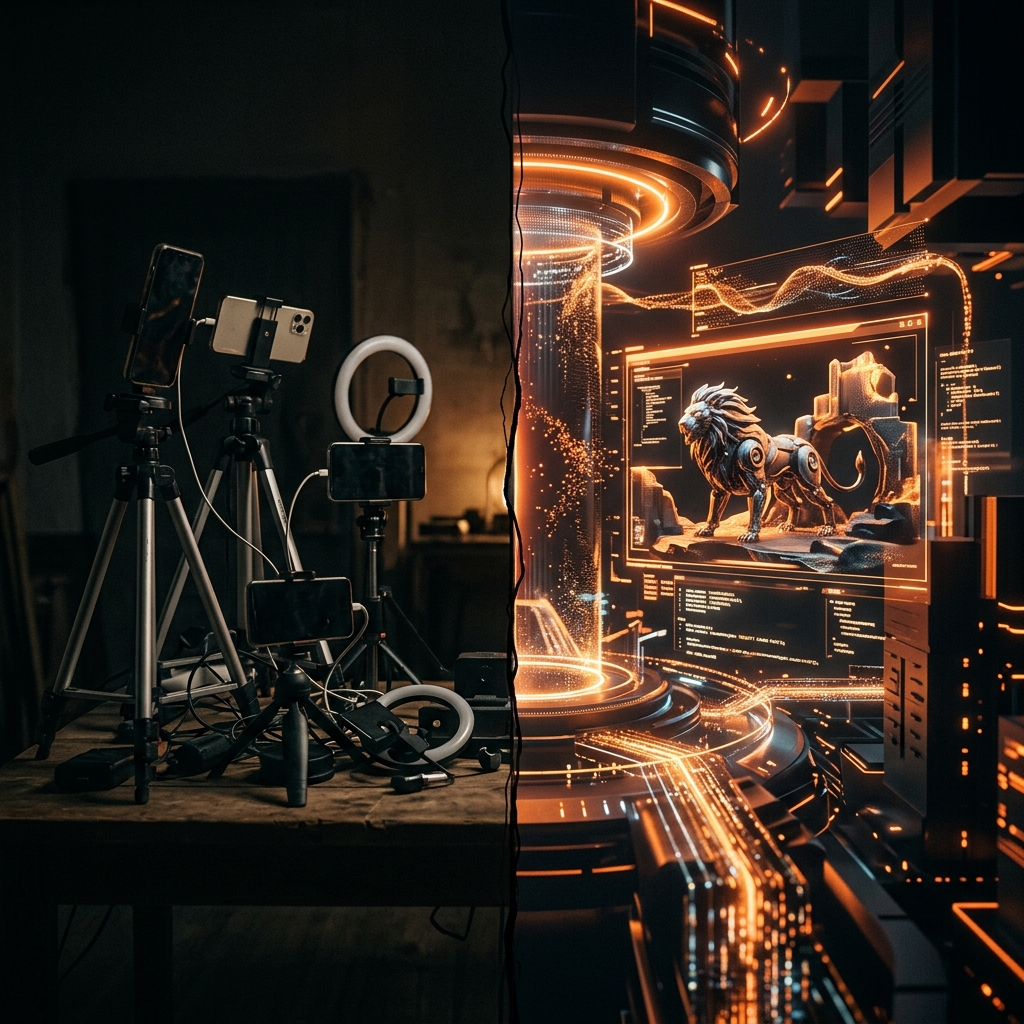
The reason is straightforward: video production is expensive and slow.
A professionally shot product video — even a simple one — involves a crew, a location, editing time, and revision rounds. For a single final cut, you're looking at a meaningful production cost and a timeline measured in weeks. And when that video fatigues, you're back at square one.
That math has made high-volume video inaccessible as a creative format for most performance marketers.
What AI Video Generation Actually Does
AI video generation tools — Runway, Pika, Kling, Sora among others — can produce video content from text prompts, images, or both. The quality has improved significantly in the last year and continues to improve quickly.
What this changes practically:
- Production cost and speed. A video variation that would take days through traditional means can be generated and ready for review in hours.
- Volume of variations. The same brief that would produce one or two video concepts can now produce five or ten for testing.
- Accessibility. Video production is no longer gated behind a budget that only certain brands can afford.
Where AI Video Falls Short Right Now
Being honest about the limitations matters — this is an area with a lot of overpromising:
| Challenge Area | Current Reality |
|---|---|
| Product fidelity | Accurately representing specific physical products — correct packaging, exact colors — requires careful review and often post-production cleanup |
| Hands & physics | Models still struggle with hands in complex positions, realistic fluid dynamics (pouring, splashing), close-up faces |
| Brand consistency | Maintaining a consistent character or visual style across multiple shots is improving but not yet reliable |
| End-to-end workflow | Most AI video workflows still involve multiple tools stitched together — not one clean solution |
Where It Works Well Right Now
The brands getting the most out of AI video tools right now are those using it for:
- Concept testing — generating quick visual prototypes of an idea before committing to full production
- Variation generation — creating multiple versions of a found winning format
- Platform-native short-form — quick, energetic content for Reels, TikTok, YouTube Shorts where production perfection matters less than native energy
AI video tools are genuinely useful for D2C and performance marketing — as a tool for producing more video variations faster and at lower cost. The limitations I've described above are shrinking every few months as the models improve.
If you looked at AI video tools six months ago and wrote them off, they're worth a second look.